
ACTiVi:
Complete Vehicle
Multimedia ECU
A 100% Made in Europe vehicle multimedia ECU at the core of the driver dashboard
Acting as a vehicle control unit and integrated within the driver’s dashboard, ACTiVi is an Android open platform that interacts with other vehicle management systems, creating a connected & digital cockpit.
This sophisticated vehicle multimedia ECU is a real differentiator for any manufacturer and operator, enabling driver and passenger satisfaction by ensuring an optimal user experience. More than just a control interface, ACTiVi delivers high-resolution video streaming and advanced digital audio processing, ensuring crystal-clear sound quality throughout the vehicle. It can manage up to three independent audio zones, allowing customized sound environments for different passenger areas. Whether it’s infotainment, announcements, or driver communications, ACTiVi provides a seamless and immersive multimedia experience.

Two tailored solutions for diverse transport needs:
ACTiVi-H & ACTiVi-T
ACTiVi is available in two versions to suit different transport requirements:
-
- ACTiVi-H: A full-featured multimedia ECU designed for high-entry intercity buses and a full range of coaches, offering complete infotainment solutions for both driver and passengers.
- ACTiVi-T: A streamlined and cost-effective version for city and low-entry intercity buses, focusing on driver functionalities.

ACTiVi-H: Infotainment and vehicle functions, unified in one complete solution
Linked directly to a screen, this innovative & intelligent ECU is designed to centralize and manage all the vehicle’s functions dedicated to buses and coaches, making it the perfect gateway between the driver and their vehicle.
Enabling control of both driver and passenger area functionality, ACTiVi provides the driver with the ability to monitor the vehicle’s comfort functions, visualize and manage all camera systems, and includes a diagnostic display terminal. At the same time, its powerful multimedia capabilities ensure high-quality video and digital audio distribution, enhancing both the entertainment and communication experience onboard.
Enabling control of both driver and passenger area functionality, ACTiVi provides the driver with the ability to monitor the vehicle’s comfort functions, visualize and manage all camera systems, and includes a diagnostic display terminal. At the same time, its powerful multimedia capabilities ensure high-quality video and digital audio distribution, enhancing both the entertainment and communication experience onboard.
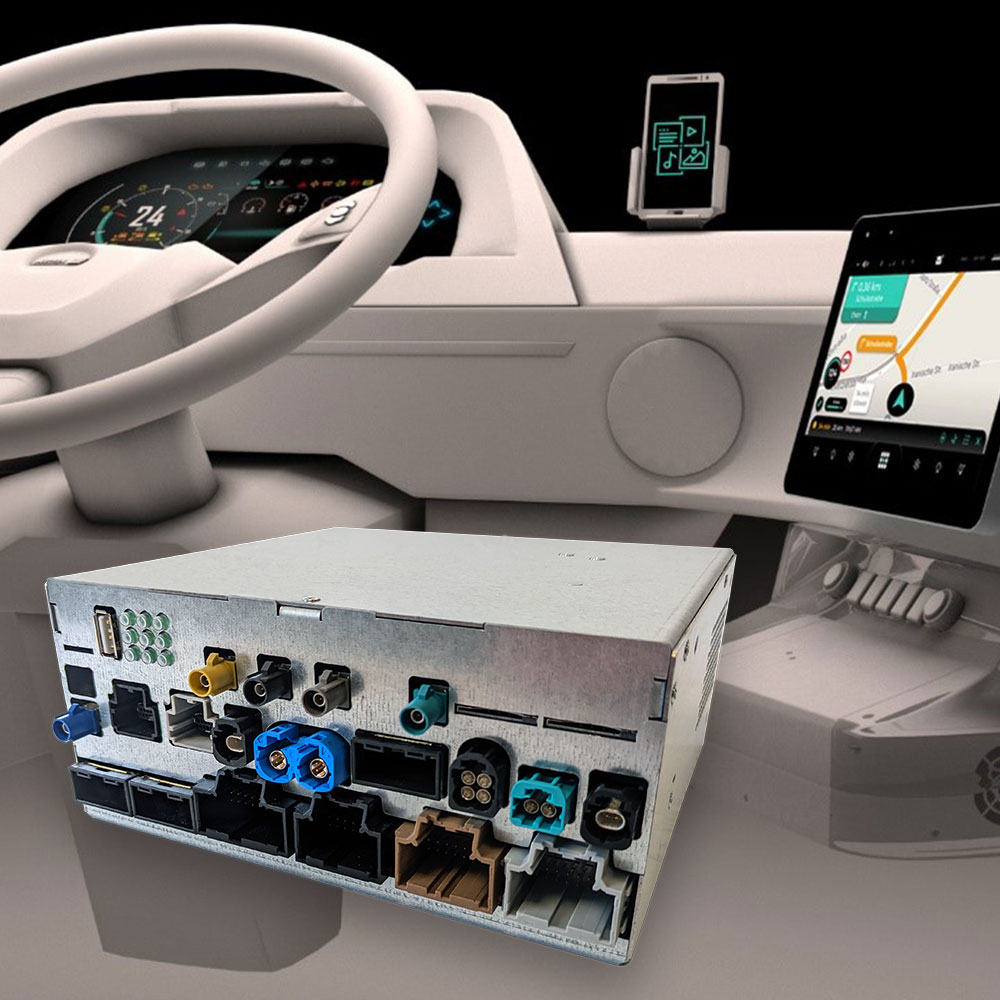
A versatile vehicle multimedia ECU that allows easy adaptation to the needs of OEMs and PTOs
Directly from his control screen (ACTIA Activision screen or 3rd party head unit), the driver will have complete control of his vehicle’s functionalities in a few clicks.
Equipped with the latest multimedia features, ACTiVi supports WIFI, Bluetooth, HDMI, Ethernet, USB, GNSS, DAB and AM/FM connections enabling a tailor-made system for the driver and the hostess.
From the management of audio & video sources to the visualisation of cameras on the control screen, ACTiVi is a solution made for any type of configuration!
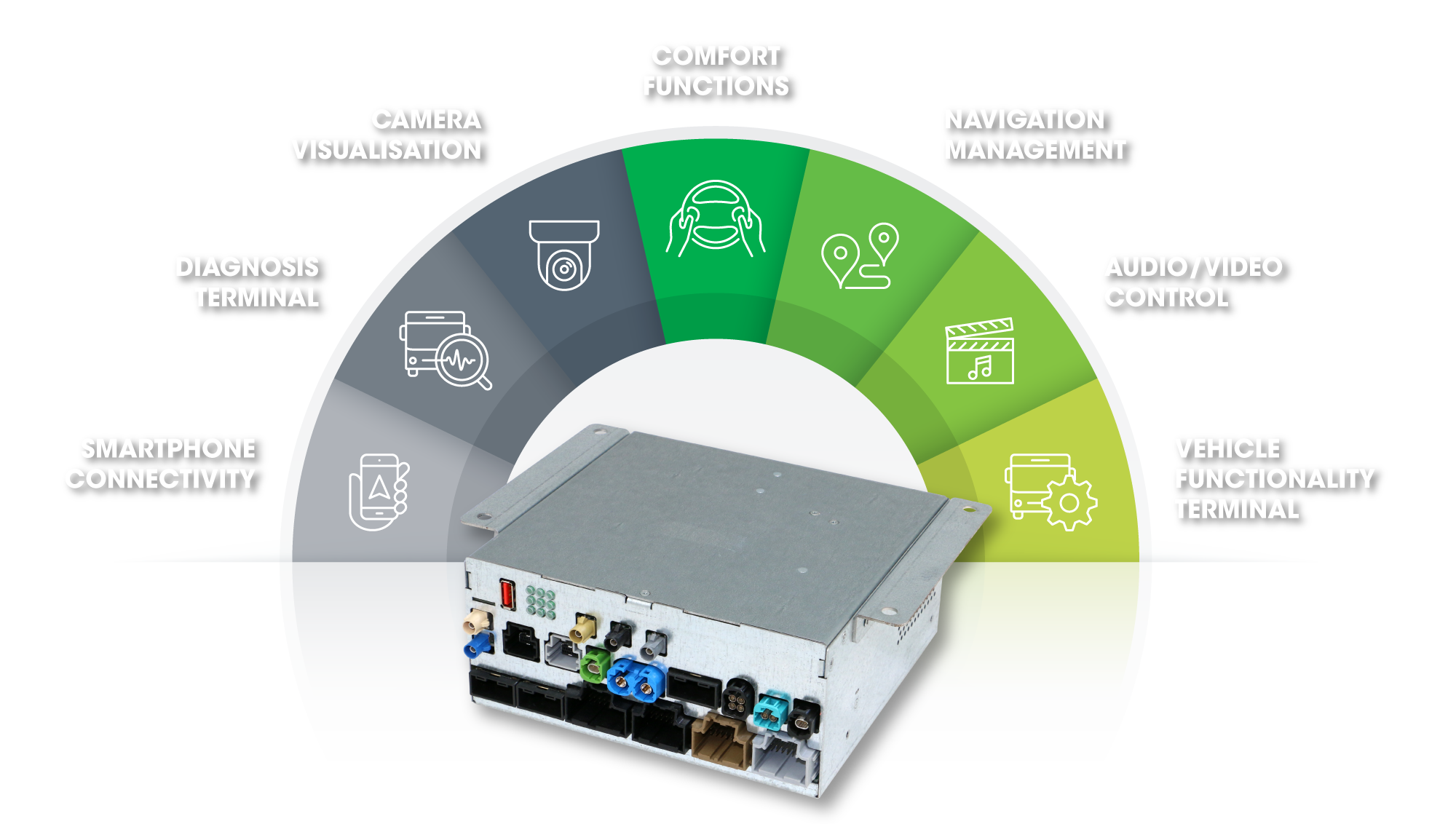

ACTiVi-T: A light & optimized vehicle multimedia ECU
Designed as a streamlined and cost-effective alternative to ACTiVi-H, ACTiVi-T is specifically tailored for entry-level city and intercity buses. While retaining the same vehicle control and electrical architecture management capabilities as ACTiVi-H, ACTiVi-T focuses primarily on driver infotainment. It can also integrate passenger audio information management, such as next-stop announcements and microphone messages.
Seamlessly integrated into the driver’s dashboard, ACTiVi-T offers intuitive and efficient control of comfort functions, camera visualization, and diagnostics. This makes it an ideal solution for manufacturers who do not require full passenger multimedia capabilities.
Seamlessly integrated into the driver’s dashboard, ACTiVi-T offers intuitive and efficient control of comfort functions, camera visualization, and diagnostics. This makes it an ideal solution for manufacturers who do not require full passenger multimedia capabilities.
ACTiVi Software customisation
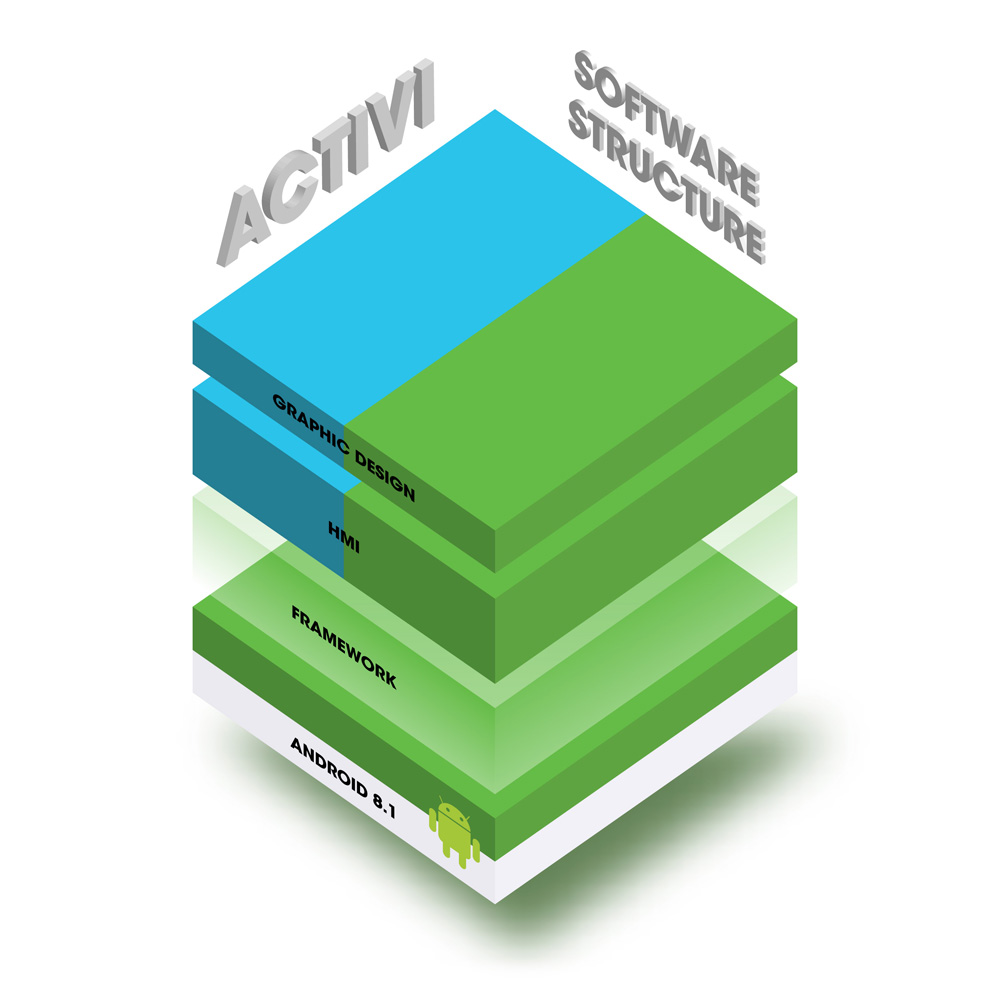
To push further the modularity and adaptability of their solutions, ACTIA provides the possibility to fully customize and configure the ACTiVi software structure.
With different levels of software customization, ACTIA adapts to its customers’ needs by offering a tailor-made solution that meets their expectations and requirements in terms of interface and functionalities. Customers can either rely on ACTIA’s expertise to develop a fully personalized interface or use dedicated tools provided by ACTIA to design and configure their own user interface independently.
ACTIA also supports its customers by managing complex common hardware elements, ensuring seamless implementation of the solution.
With different levels of software customization, ACTIA adapts to its customers’ needs by offering a tailor-made solution that meets their expectations and requirements in terms of interface and functionalities. Customers can either rely on ACTIA’s expertise to develop a fully personalized interface or use dedicated tools provided by ACTIA to design and configure their own user interface independently.
ACTIA also supports its customers by managing complex common hardware elements, ensuring seamless implementation of the solution.

ACTIA

OEM CUSTOMIZATION POSSIBILITIES
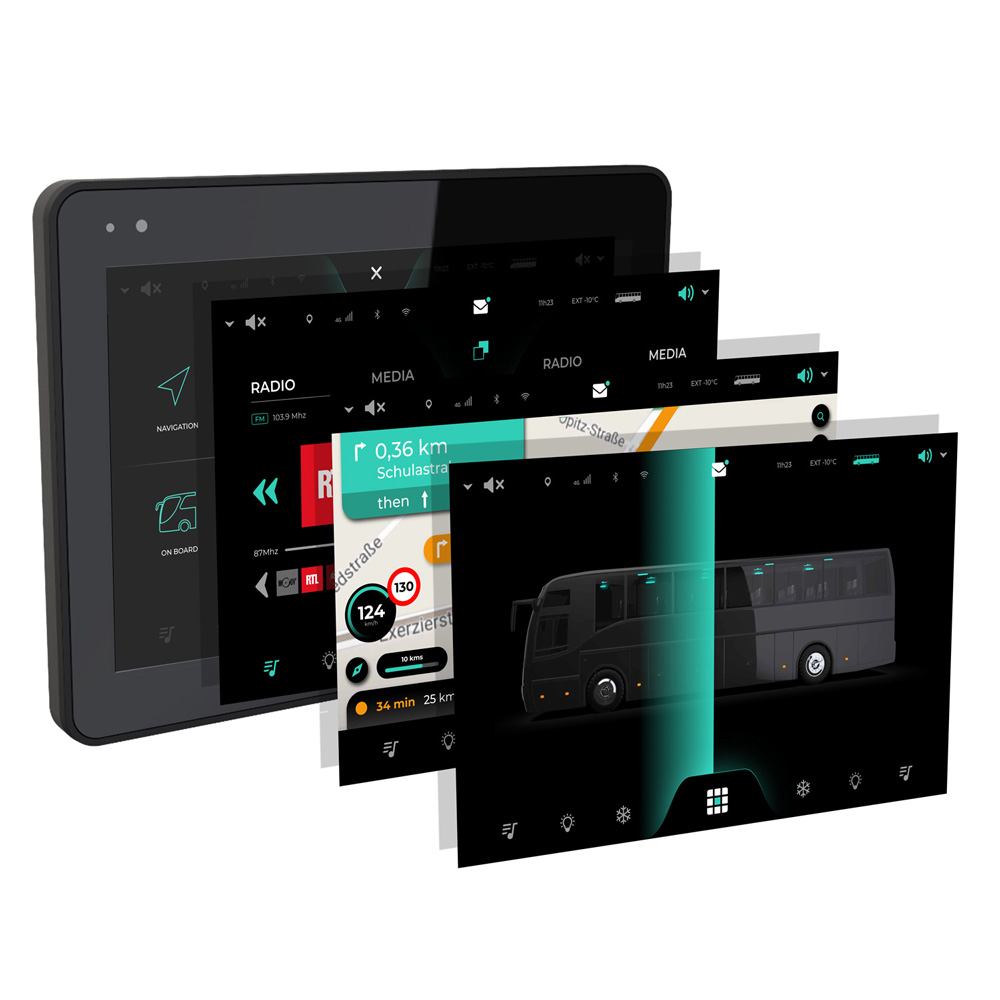
Activision screen – A central control screen to manage all the ACTiVi functionalities
Available in 8 & 12’’ this central control screen directly linked to the ACTiVi, gives the driver a fluid and high-resolution management of the vehicle functionalities.
Linked with a GMSL2 connection, this 100% ACTIA solution will enhance the ergonomic of the dashboard creating a centralized and simple control station adaptable to every configuration.
Linked with a GMSL2 connection, this 100% ACTIA solution will enhance the ergonomic of the dashboard creating a centralized and simple control station adaptable to every configuration.
Modular and customizable for any type of vehicle and dashboard configuration
Pushing the modularity even further, ACTIA offer the possibility to the OEM to associate the ACTiVi ECU with their existing monitor in the vehicle.
It means that ACTiVi can be integrated into any dashboard and interfaced with any other third-party infotainment system already installed in the vehicle.
It means that ACTiVi can be integrated into any dashboard and interfaced with any other third-party infotainment system already installed in the vehicle.
- Linked together via an ethernet connection and an API REST to standardize communications, ACTiVi will be able to send information directly to the third-party monitor.
- Manufacturers using its own head-unit will be able to add passenger infotainment functionalities via the ACTiVi and benefit a complete solution while still using their specific software design.

ACTiVi – the gateway to an ACTIA digital cockpit
By bringing together infotainment, connectivity, and vehicle control into a single, centralized platform, ACTiVi transforms the driver’s workspace into a streamlined, ergonomic, and fully connected environment.
This integration not only simplifies operations but also boosts safety, optimizes comfort, and reduces operating costs. For manufacturers and operators, it means greater flexibility, faster deployment, and a future-ready solution that adapts to any configuration.
Manufacturers will be able to switch from an architecture where all the infotainment, connectivity & vehicle control functions were separate modules and operated individually to an architecture where all these functions are centralised in a single control point.
This integration not only simplifies operations but also boosts safety, optimizes comfort, and reduces operating costs. For manufacturers and operators, it means greater flexibility, faster deployment, and a future-ready solution that adapts to any configuration.
Manufacturers will be able to switch from an architecture where all the infotainment, connectivity & vehicle control functions were separate modules and operated individually to an architecture where all these functions are centralised in a single control point.